

Introduction
Wearable technology has evolved significantly over the years, becoming an essential part of our daily lives. From smartwatches ⌚ to fitness bands 🏃, these devices not only enhance convenience but also help in monitoring health 💪 and improving productivity 📈. In this guide, we will explore the latest trends in wearable, the best devices in 2025, and how to choose the right one for your needs.
🔍 What Are Wearable?

Wearable Technology: Types & Best Devices 2025
Wearable are smart electronic devices worn on the body to provide real-time data, connectivity, and convenience. These include:
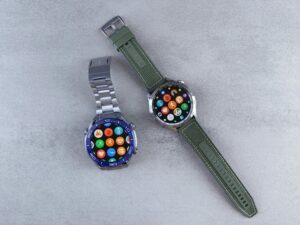
- Smartwatches – Advanced wrist wear with smartphone connectivity, fitness tracking, and voice assistants.
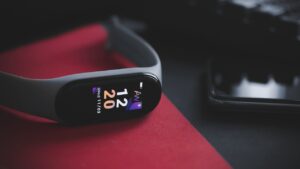
- Fitness Bands – Lightweight bands for step counting, heart rate monitoring, and sleep tracking.
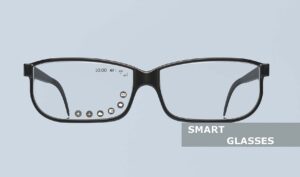
- Smart Glasses – Augmented reality (AR) glasses that display digital information in real-time.
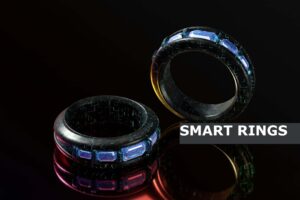
- Smart Rings – Compact wearable for tracking health metrics like heart rate and sleep.
- VR Headsets – Virtual reality devices for gaming 🎮, education 📚, and immersive experiences 🌍.
- Smart Clothing – Apparel integrated with sensors to monitor physical activity and bio metrics.
- Hearables (Smart Earbuds) – Wireless earbuds with noise cancellation 🎧, voice assistants, and bio metric tracking.
🚀 Latest Trends in Wearable Technology (2025)
Here are the top trends shaping the future of wearable:
- AI-Enhanced Wearable 🤖 – Smart devices now come with AI-driven analytics, providing deeper insights into health and performance.
- Extended Battery Life 🔋 – Innovations in battery technology have increased the usage time of smartwatches and fitness bands.
- Advanced Health Monitoring ❤️ – ECG, blood oxygen monitoring, and non-invasive glucose tracking are now more common.
- Integration with Smart Homes 🏠 – Wearable can now control smart home devices using voice commands and gestures.
- Sustainability in Wearable 🌱 – Many brands are focusing on Eco-friendly materials and energy-efficient designs.
- Gesture-Based Controls ✋ – Wearable now support hand gestures for seamless navigation and interaction.
- Brain-Computer Interfaces (BCI) 🧠 – Early developments in BCI allow users to control devices using neural signals.
🌟 Best Wearable Devices in 2025
Here are some of the top wearable you can consider:
- Apple Watch Ultra 2
- Features: Advanced ECG, Blood Oxygen Monitoring, Rugged Design
- Battery Life: Up to 72 hours
- Best For: Fitness enthusiasts and Apple ecosystem users
- Samsung Galaxy Watch 6
- Features: Bio Active Sensor, Sleep Coaching, 4G LTE Support
- Battery Life: 40+ hours
- Best For: Android users looking for premium smartwatches
- Fit bit Charge 6
- Features: Stress Management, Smart Sleep Analysis, 24/7 Heart Rate Tracking
- Battery Life: 7 days
- Best For: Fitness tracking and daily health monitoring
- Meta Quest 3 (VR Headset)
- Features: 4K Resolution, Wireless Streaming, Hand Tracking
- Best For: Gaming, virtual meetings, and meta verse experiences
- Oura Ring Gen 4
- Features: Sleep Analysis, Temperature Tracking, Menstrual Cycle Prediction
- Battery Life: 5-7 days
- Best For: Those looking for a compact wearable for health tracking
- Google Pixel Watch 2
- Features: Fit bit Integration, AI-Powered Coaching, Real-Time ECG
- Battery Life: 48 hours
- Best For: Android users wanting deep Google ecosystem integration
- Bose Ultra Earbuds
- Features: Noise Cancellation, Built-in AI Assistant, Health Monitoring
- Battery Life: 24 hours
- Best For: Music lovers and professionals seeking premium audio quality
- Garmin Fenix 8
- Features: Multi-Sport Tracking, Solar Charging, GPS Navigation
- Battery Life: 21 days
- Best For: Outdoor adventurers and athletes
- Ray-Ban Meta Smart Glasses
- Features: Built-in AI, Hands-Free Video Recording, Augmented Reality Display
- Battery Life: 10 hours
- Best For: Users looking for stylish and functional smart glasses
- Sensoria Smart Socks 3.0
- Features: Foot Pressure Monitoring, AI-Powered Gait Analysis
- Battery Life: 14 days
- Best For: Runners and athletes focused on improving foot health
💡 How to Choose the Right Wearable for You?
Consider these factors before purchasing a wearable:
- Purpose – Are you looking for a fitness tracker 🏋️, a smartwatch ⌚, or an AR/VR device 🎮?
- Battery Life 🔋 – Choose a device with long battery life for uninterrupted usage.
- Ecosystem Compatibility 📱 – Check whether the device works with your smartphone or other gadgets.
- Health Features ❤️ – Look for health sensors like ECG, SpO2, and sleep tracking based on your needs.
- Budget 💰 – Decide on a price range and compare devices within your budget.
- Durability 💪 – Consider water resistance and build quality if you plan to use it during workouts or outdoor activities.
🔮 The Future of Wearable
The wearable tech industry is moving towards more compact, energy-efficient, and AI-powered solutions. With features like brain-computer interfaces, holographic displays, and real-time health diagnostics, the future of wearable looks promising. Here are some futuristic innovations:
- Mind-Controlled Wearable 🧠: Brainwave-sensing headbands could enable hands-free device control.
- Flexible Displays 📱: Smartwatches with roll able or fordable screens may provide more screen space.
- Wearable Medical Devices 🏥: AI-driven wearable could monitor chronic conditions and alert users in real-time.
- Self-Charging Wearable ⚡: Future devices may harness solar energy, body heat, or kinetic energy for power.
✨ Conclusion
Wearable have revolutionised the way we interact with technology, improving health, productivity, and entertainment. Whether you need a smartwatch for convenience, a fitness band for workouts, or a VR headset for immersive experiences, 2025 has plenty of exciting options. Choose wisely based on your lifestyle and requirements!